Burn rate calculation essentials for startups from a fractional CFO perspective
Calculating burn rate startup is an essential financial metric that every founder, operator, and executive in the San Francisco and Bay Area tech ecosystem must master to ensure sustainable growth and strong investor confidence. The burn rate represents how quickly a startup is spending its available capital, typically measured monthly, and plays a crucial role in determining runway—the length of time a startup can continue operating before needing additional funding. Understanding how to calculate burn rate startup is not just a bookkeeping exercise; it's a foundational skill that influences fundraising strategy, cash flow management, and regulatory compliance specific to California startups, whether they are pioneering AI, SaaS, fintech, or biotech innovations.
Most venture-backed startups in Silicon Valley operate under intense pressure to balance aggressive growth with efficient capital allocation. Burn rate provides a quantifiable lens through which founders can analyze the impact of their unit economics, sales velocity, and product development pace against their financial runway. It also informs conversations with venture capitalists and sophisticated investors familiar with SEC disclosures, NVCA standards, and the nuances of SAFE notes and valuation mechanisms like 409A valuations. This comprehensive guide will demystify the technical calculation of burn rate startup while connecting these figures to actionable business decisions critical for startups navigating the complex Bay Area market.
Defining Burn Rate: What It Is and Why It Matters for Bay Area Startups
Burn Rate Explained: Gross Versus Net Burn
'Burn rate' refers to the rate at which a startup depletes its cash reserves to fund operations. There are two primary types:
- Gross Burn – the total cash spent monthly on operational activities, including payroll, rent, R&D, marketing, and other expenses.
- Net Burn – the difference between monthly cash outflows and inflows; it factors in revenue, making it a more precise indicator of how much cash is truly being consumed.
For early-stage startups with minimal revenue, gross burn often closely approximates net burn. However, as startups begin generating recurring revenue—such as SaaS ARR or monthly recurring revenue (MRR)—net burn becomes increasingly relevant by reflecting the organization's operational efficiency and progress towards profitability.
The Relationship Between Burn Rate, Runway, and Startup Survival
Burn rate directly impacts cash runway: the available time before the startup exhausts its capital. fractional cfo san francisco dictates strategic decisions like when to initiate the next fundraising round (Series A, B, or beyond), pivot business models, or tighten expenses. In high-cost regions such as San Francisco and Silicon Valley, where operational expenses and California franchise tax rates weigh heavily on cash flow, accurate burn calculations are indispensable.
Running out of cash prematurely often leads to distress funding rounds or down rounds that dilute existing shareholders significantly and can destabilize cap tables. Conversely, managing a healthy burn rate optimizes a startup’s negotiating position with institutional investors, facilitates leveraging R&D tax credits, and supports careful scaling without sacrificing innovation or product-market fit.
Common Pain Points Bay Area Founders Face Without Clear Burn Rate Tracking
Without a precise understanding of burn, founders frequently run into problems such as:
- Overestimating runway, causing rushed or mis-timed funding rounds
- Undervaluing cash flow needs, leading to operational bottlenecks
- Misaligned growth strategies that exhaust capital before hitting meaningful ARR or MRR milestones
- Confusion during investor due diligence stemming from inconsistent accounting practices or unclear expense categorization
Given the complexity of California’s tax environment and investor expectations shaped by AICPA audit standards and NVCA guidelines, startups benefit enormously from quantifying burn rate with rigor and transparency.
Now, having established why burn rate is fundamental, the next section will thoroughly explore the precise methodologies for calculating burn rate startup tailored to the complexities of high-growth companies.
How to Calculate Burn Rate Startup: Methodical Approaches for Accurate Financial Insight
Collecting Relevant Financial Data: The Foundation of Calculation
The first step involves gathering detailed financial data from your accounting and treasury systems. Make sure to pull:
- Monthly cash balance statements
- Detailed expense categorization aligned to GAAP (Generally Accepted Accounting Principles)
- Revenue streams including ARR, MRR, and one-time revenues
- Capital inflow data from equity raises, convertible notes, and SAFE notes
Given startups’ propensity to scale quickly, financial data should be consolidated across departments—R&D, sales, G&A—to avoid miscalculations. Properly segregating costs ensures compliance with California's Franchise Tax Board (FTB) requirements and supports accurate tax reporting, including eligibility for R&D tax credits.
Gross Burn Calculation: Summing Monthly Cash Outflows
Gross burn is calculated straightforwardly by adding all cash outflows during the month. It includes salaries, contractor payments, rent and utilities for often high-priced San Francisco office spaces, software subscriptions, marketing spend, and other operating expenses. For startups with complex cap table arrangements involving multiple classes of stock or stock options, it’s important to exclude non-cash expenses like stock-based compensation to avoid inflating burn metrics.
Formula for Gross Burn:
 Gross Burn = Total Operating Expenses (Cash Basis)
Net Burn Calculation: Incorporating Cash Inflows for Precision
Net burn considers monthly operational revenue. For SaaS startups, this includes subscription revenue (MRR/ARR), professional services fees, or licensing income. Subtracting this inflow from gross burn yields net cash consumption. This figure is critical for understanding the sustainability of current business operations without new capital infusions.
Formula for Net Burn:
Net Burn = Total Operating Expenses – Total Operating Revenue
Example: A startup with $200,000 in expenses and $50,000 in revenue would have a net burn of $150,000.
Calculating Runway From Burn Rate: Quantifying Remaining Operational Time
Runway represents the number of months that a startup can continue to operate at the current burn rate before running out of cash.
Formula for Runway:
Runway (months) = Current Cash Balance / Net Burn
In the Bay Area, where startups increasingly pursue quick iteration and data-driven product development, managing runway with millimeter precision is non-negotiable. Runway calculations also inform financial forecasting templates necessary for investor presentations, especially for Series A and Series B processes where investors demand rigor in cash flow and cap table transparency compliant with Delaware C-corp governance and NVCA model legal docs.
Adjusting Burn Rate for Non-Recurring and One-Time Expenses
Startups frequently incur one-off costs such as patent filings, regulatory fees tied to California’s biotech licensing, or major infrastructure upgrades. Isolating these expenses from recurring operational burn gives a clearer picture of the ongoing cash requirements for sustainable operations.
Treat one-time costs separately in financial models to avoid misleading burn rate spikes that could distort runway calculations and impact fundraising timelines.
Integrating Cap Table Dilution and SAFE Notes in Burn Rate Analysis
While cap table and SAFE notes do not directly affect cash burn, they influence overall startup valuation and future dilution from funding rounds, thereby affecting effective capital available. Understanding your startup’s ownership dilution and equity structure helps contextualize burn—particularly in down round scenarios common in fintech and AI sectors facing market volatility.
Advanced fractional CFO services often integrate cap table analysis with burn rate metrics to optimize investor communication, secure strategic Series A commitments, and align compensation via 409A valuations effectively.
With the calculation methods fully explored, the following section will examine practical applications of burn rate analysis and how it shapes key strategic decisions for Bay Area startups navigating growth and regulatory complexity.
Strategic Applications of Burn Rate Analysis: Driving Growth, Fundraising, and Compliance
Optimizing Runway to Time Fundraising and Avoid Premature Down Rounds
Burn rate directly informs the elusive timing of equity raises. Founders in San Francisco and Silicon Valley must coordinate fundraising based on runway forecasts to maintain negotiating leverage. A healthy runway of 12 to 18 months is often recommended to buffer against market fluctuations and to close a Series A or B on favorable terms.
A well-managed burn rate helps prevent the dreaded “bridge round” or costly down rounds that erode founder equity and introduce complex new terms from venture capitalists. Fractional CFOs often advise startups to tighten burn or accelerate revenue growth initiatives to extend runway strategically.
Improving Unit Economics and Pricing Models Through Burn Rate Insights
Net burn can highlight inefficiencies within unit economics—revealing whether cost per acquisition (CAC) or customer lifetime value (LTV) requires adjustment. SaaS and fintech startups, for example, can refine MRR projections and customer payback periods informed by burn rate trends, accelerating the path to positive cash flow.
Alignment of financial strategy with operational KPIs supports R&D prioritization decisions where startups in AI and biotech might balance intensive cash burn on innovation against expanding market readiness.
Navigating California Regulatory Requirements and Tax Implications
California’s franchise tax has a minimum annual fee that directly impacts burn calculations, especially for startups incorporated as Delaware C-corps operating in the Bay Area. Startups must factor this fixed expense and anticipate potential R&D tax credits that can offset cash burn effectively.
Accurate burn rate calculations are essential for compliance with California FTB reporting and federal tax filings. Misreporting expenses or cash usage can trigger audits or investor skepticism, which is detrimental when courting institutional funding.
Leveraging Burn Rate Analysis to Support 409A Valuations and Equity Compensation
409A valuations are pivotal for establishing fair market value on stock options and safeguarding compliance with IRS regulations regarding equity incentives. An accurate burn rate impacts financial forecasting assumptions informing these valuations, ensuring appropriate equity compensation plans that align team incentives without over-diluting founders.
Implementing rigorous burn rate analysis enriches a startup’s strategic toolkit. The final section provides actionable steps for founders and the case for engaging fractional CFO expertise to maintain robust financial health amid the challenges of the Bay Area startup ecosystem.
Summary and Action Steps: Engaging Fractional CFO Services to Master Burn Rate and Startup Financial Strategy
Understanding how to calculate burn rate startup is a critical skill that connects directly to sustaining runway, optimizing fundraising, and managing growth in the competitive San Francisco and Bay Area environment. Founders and executives who master burn rate calculations gain leverage in the venture capital process and build financially resilient startups that can withstand operational headwinds and regulatory demands.
Key takeaways include:
- Distinguish between gross burn and net burn to assess both cash outflows and inflows.
- Incorporate one-time expenses and California-specific tax considerations for precise runway calculations.
- Use burn rate insights to optimize fundraising timing, unit economics, and investor communications.
- Maintain rigorous documentation and alignment with SEC disclosures, NVCA standards, and AICPA guidelines.
- Embed burn rate within broader financial strategy including cap table management, SAFE note implications, and 409A valuations.
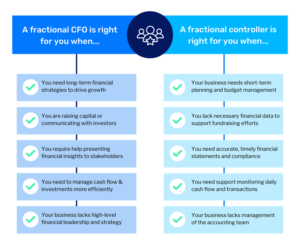
Given the complexity and high stakes involved, Bay Area startups benefit tremendously from fractional CFO or outsourced CFO services. Experienced fractional CFOs bring specialized expertise in burn rate modeling, cash flow forecasting, and financial governance tailored to the unique demands of high-growth tech, SaaS, AI, biotech, and fintech companies in Silicon Valley.
Founders should engage fractional CFO consultants early to build robust financial models, optimize cash management, strategize Series A/B fundraises, and ensure regulatory compliance. This proactive approach positions startups not only to survive but to thrive and scale efficiently in one of the world’s most demanding innovation hubs.